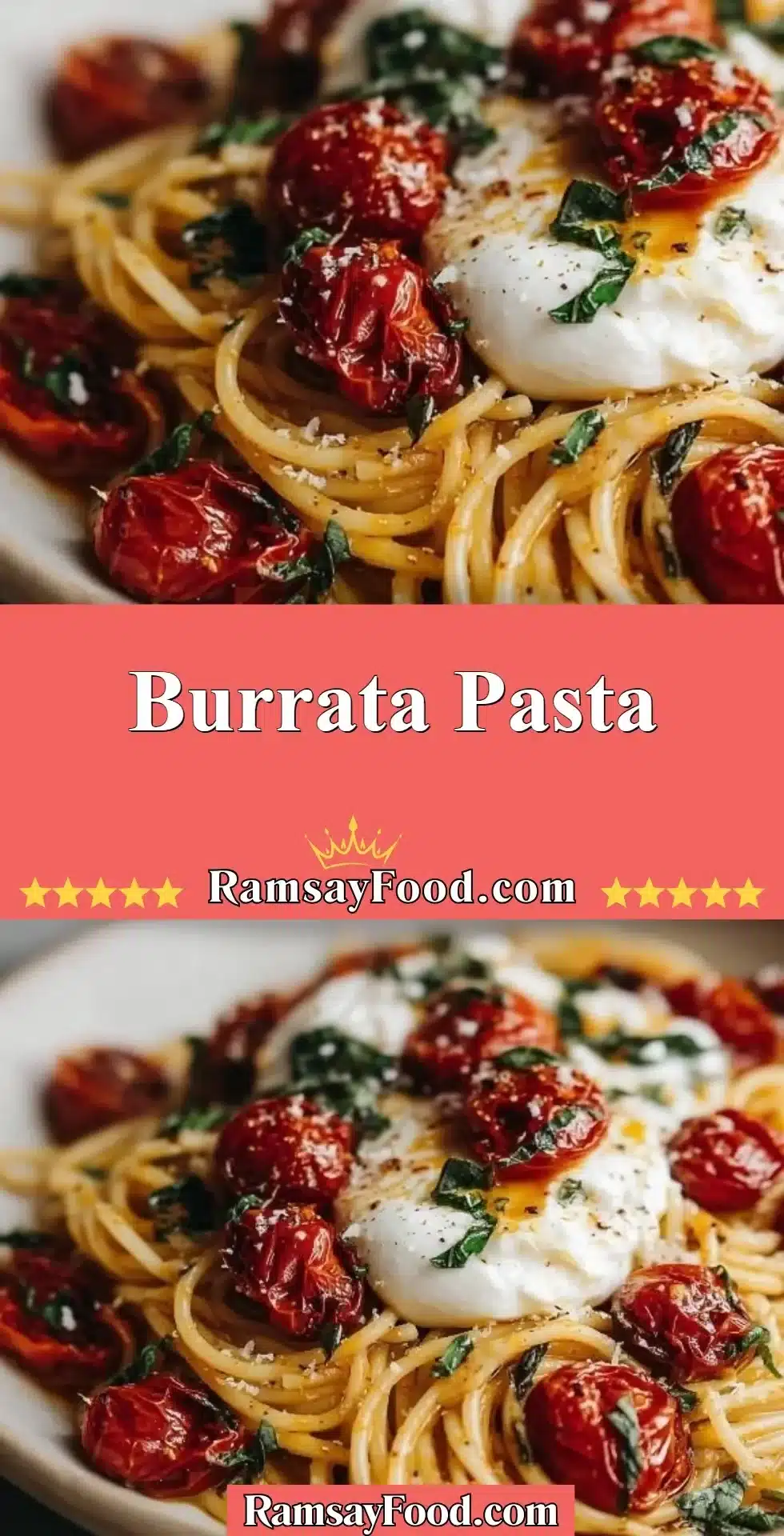
As I stood in my cozy kitchen one summer evening, the sun casting a warm glow through the window, I embarked on a culinary journey that would forever change my perception of pasta. It was the first time I found myself preparing Burrata Pasta, a dish that seemed to whisper promises of creamy indulgence and comforting flavors. The thought of the rich, luscious burrata melting into the al dente pasta sent my heart racing with anticipation.
My grandmother had always taught me that cooking is not just about the food; it’s about the memories you create around your table. With the fragrant aromas of garlic and fresh basil swirling in the air, memories of her stirring sauces and laughter echoed in my heart. I dug into my pantry, pulled out a few ripe tomatoes, and imagined the taste—the way the juicy bursts would meld perfectly with the creamy cheese. I could see my family gathering around the table, their faces lighting up with joy as they took their first bites.
This simple yet delightful Burrata Pasta became more than a meal; it became a celebration of family and love in our home. Every forkful was a reminder of summer evenings spent with loved ones, savoring not just a dish, but the togetherness it brought.
Now, let’s dive into the delightful world of Burrata Pasta, a dish that combines extraordinary flavors, making it a cherished favorite in many households.
Flavor and Popularity
The Unique Flavor Profile of Burrata Pasta
Burrata Pasta bursts with flavor thanks to its combination of rich, buttery burrata cheese and perfectly cooked pasta. The first bite delivers a delightful contrast between the creamy texture of the burrata and the satisfying bite of the pasta. The marriage of these two elements creates an umami explosion enhanced by fresh herbs, garlic, and seasonal vegetables.
When you take that first forkful, the melted burrata oozes out, enveloping each piece of pasta in a silky embrace. Adding sautéed mushrooms or ripe tomatoes brings earthy notes and sweetness, elevating this dish to a heavenly level. The incorporation of herbs like basil or parsley adds freshness that dances on your palate, making each bite feel special. The result? A comforting dish that sings with flavor, perfect for any gathering.
Why This Recipe Is a Family Favorite and Crowd-Pleaser
One reason Burrata Pasta remains a staple in my home is its adaptability. It’s a recipe that welcomes ingredients based on what’s in season or what’s left in the fridge. Whether you’re using freshly picked garden tomatoes or a medley of spring vegetables, the dish effortlessly transforms to highlight whatever ingredients you choose.
Not only does it impress with its visual appeal—a vibrant dish full of color and texture—but it also comforts the soul. Friends and family gather around the table, their smiles becoming brighter with every satisfying bite. It’s the kind of dish that brings everyone together, often accompanied by laughter and cherished memories.
Ingredients and Preparation
Essential Ingredients and Possible Substitutions
To create the perfect Burrata Pasta, gather these essential ingredients:
- Pasta: Opt for your favorite choice—fettuccine, spaghetti, or penne work wonderfully here.
- Burrata cheese: The star of the dish, providing that creamy, luxurious texture.
- Extra virgin olive oil: Choose high quality for the best flavor.
- Fresh garlic: Minced garlic imparts a depth of flavor that enhances the dish.
- Seasonal vegetables: Think ripe tomatoes, zucchini, or sautéed mushrooms to add complexity.
- Fresh herbs: Basil or parsley elevates the freshness of the dish.
- Sea salt and black pepper: Essential for balancing flavors.
For substitutions, don’t fret! If you can’t find burrata, fresh mozzarella or ricotta can do the trick, though they will bring slightly different textures. You can swap regular pasta for whole grain or gluten-free options based on your dietary preferences. Feel free to omit or replace vegetables; asparagus or spinach can magically transform this dish too!
Step-by-Step Recipe Instructions with Tips
Cook the Pasta: Begin by boiling a large pot of salted water. Add your chosen pasta and cook until al dente. Reserve a cup of pasta water for later.
Sauté Vegetables: In a large skillet, heat olive oil over medium heat. Add minced garlic and sauté until fragrant—about 30 seconds. Toss in your seasonal vegetables and cook until they are tender but still vibrant.
Combine Pasta and Mix: Drain the pasta and add it to the skillet. Toss well with the sautéed vegetables, adding a splash of reserved pasta water if needed to create a light sauce.
Add Burrata: Gently fold in the burrata, allowing it to melt and coat the pasta. Be gentle, as you want those luscious, creamy pockets to stay intact.
Season and Serve: Season generously with sea salt and freshly cracked black pepper. Top with fresh herbs for vibrancy, and consider a drizzle of more olive oil for richness.
Serve immediately, savoring each bite with your favorite bread or a side salad while enjoying good company.
Cooking Techniques and Tips
How to Cook Burrata Pasta Perfectly
Cooking Burrata Pasta is a simple yet rewarding task. The key is in timing; cook the pasta just right so it retains that lovely al dente texture, providing a delightful bite. When sautéing vegetables, the goal is to keep them slightly crisp, allowing them to shine alongside the burrata. Don’t forget to reserve that pasta water—it’s liquid gold when it comes to creating a creamy, flavorful sauce!
Common Mistakes to Avoid
One common mistake is overcooking the pasta; aim for firm yet tender. Another is adding burrata too early. It should be added just at the end to preserve its creamy texture and delicate flavor. Lastly, be cautious with seasoning; taste regularly to ensure the balance is just right.
Health Benefits and Serving Suggestions
Nutritional Value of Burrata Pasta
Burrata Pasta has its share of nutritional benefits. While it certainly indulges the senses, it’s also packed with nutrients. The simple ingredients—a source of carbohydrates from the pasta, healthy fats from the olive oil, and vitamins from the vegetables—create a balanced meal. Burrata also provides protein and calcium, contributing to a well-rounded dish that’s good for the soul.
Best Ways to Serve and Pair This Dish
To elevate your Burrata Pasta experience, serve it alongside a fresh, crisp salad with a zesty vinaigrette, or pair it with garlic bread to soak up every single saucy bite. As for beverages, a light, chilled white wine complements the dish beautifully, while sparkling water with lemon can also refresh the palate.
FAQ Section
What type of mushrooms are best for Burrata Pasta?
The best mushrooms for Burrata Pasta are cremini or shiitake, as they offer a depth of flavor through their earthiness. Portobello mushrooms also work wonderfully when diced for hearty bites.
Can I use dried garlic instead of fresh?
While you can use dried garlic powder in a pinch, fresh garlic is preferred in this dish for its vibrant and pungent flavor that truly makes the dish sing.
How do I store leftover Burrata Pasta?
If you have leftovers, store them in an airtight container in the refrigerator for up to two days. Gently reheat in a skillet with a splash of olive oil, adding a touch of water if needed to loosen the pasta.
Can I freeze Burrata Pasta?
Freezing Burrata Pasta is not recommended due to the delicate texture of burrata. Instead, enjoy it fresh; the flavors and texture are best when savored soon after cooking!
As I finish writing about this delightful dish, I can’t help but feel a wave of warmth and nostalgia. If you’re like me, seeking both comfort and joy in cooking, please give this Burrata Pasta a try. There’s something comforting about watching others delight in the food you’ve lovingly prepared. Trust me, you’ll want to make this again and again, forging new memories with each delicious bite shared around your table.
Print
Burrata Pasta
- Total Time: 45 minutes
- Yield: 4 servings 1x
- Diet: Vegetarian
Description
A creamy and flavorful pasta dish featuring rich burrata cheese, seasonal vegetables, and fresh herbs. Perfect for gatherings and full of comforting flavors.
Ingredients
- 8 oz pasta (fettuccine, spaghetti, or penne)
- 8 oz burrata cheese
- 2 tbsp extra virgin olive oil
- 3 cloves fresh garlic, minced
- 1 cup seasonal vegetables (ripe tomatoes, zucchini, or sautéed mushrooms)
- Fresh basil or parsley for garnish
- Sea salt and black pepper to taste
Instructions
- Cook the Pasta: Begin by boiling a large pot of salted water. Add your chosen pasta and cook until al dente. Reserve a cup of pasta water for later.
- Sauté Vegetables: In a large skillet, heat olive oil over medium heat. Add minced garlic and sauté until fragrant—about 30 seconds. Toss in your seasonal vegetables and cook until they are tender but still vibrant.
- Combine Pasta and Mix: Drain the pasta and add it to the skillet. Toss well with the sautéed vegetables, adding a splash of reserved pasta water if needed to create a light sauce.
- Add Burrata: Gently fold in the burrata, allowing it to melt and coat the pasta. Be gentle, as you want those luscious, creamy pockets to stay intact.
- Season and Serve: Season generously with sea salt and freshly cracked black pepper. Top with fresh herbs for vibrancy, and consider a drizzle of more olive oil for richness. Serve immediately.
Notes
Serve with a fresh salad or garlic bread. Pair with chilled white wine or sparkling water.
- Prep Time: 15 minutes
- Cook Time: 30 minutes
- Category: Main Course
- Method: Baking
- Cuisine: Italian
Nutrition
- Serving Size: 1 serving
- Calories: 350
- Sugar: 5g
- Sodium: 400mg
- Fat: 12g
- Saturated Fat: 4g
- Unsaturated Fat: 6g
- Trans Fat: 0g
- Carbohydrates: 45g
- Fiber: 3g
- Protein: 15g
- Cholesterol: 30mg
Keywords: Pasta, Burrata, Vegetarian, Italian, Comfort Food