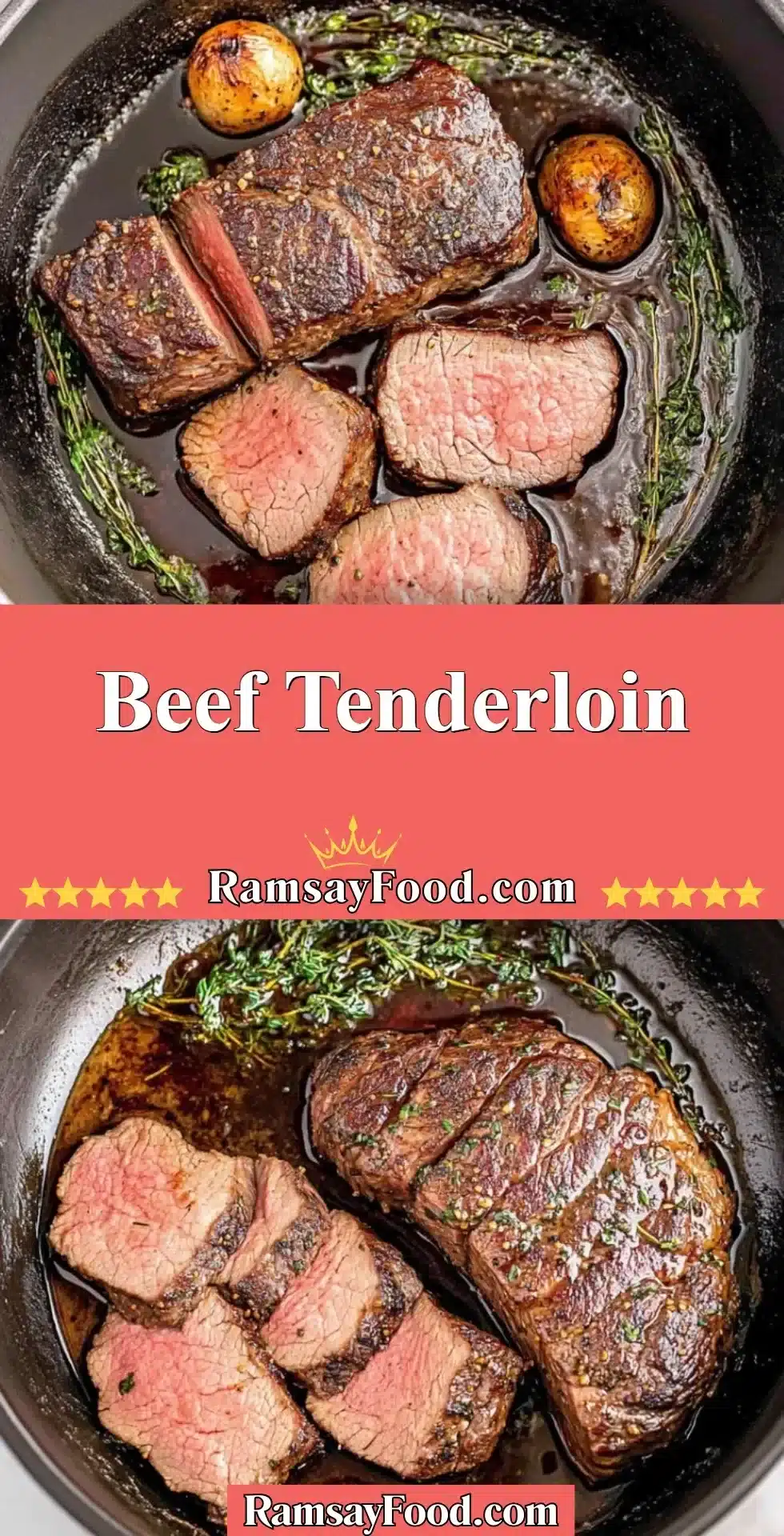
The first time I cooked Beef Tenderloin, I can still remember the scent wafting through my kitchen. It was a sunny Sunday afternoon, and I stood there, apron tied around my waist, heart filled with excitement as I prepped a special dinner for my family. Perhaps it was my grandmother’s whispers echoing in my mind, reminding me to treat the meat with respect and love. Everything felt vibrant—the beautiful cut of the beef glistening under the kitchen light, infused with the earthy aroma of fresh herbs.
This dish had a unique allure, seeming regal yet comforting, and I was determined to do it justice. I seasoned the Beef Tenderloin with salt and cracked black pepper, letting the simple ingredients shine. As I seared it in a hot skillet, the satisfying sizzle filled the air, igniting memories of family gatherings around the table. The Beef Tenderloin was meant to showcase not just ingredients, but the love I poured into every step. When I finally sliced into that tender meat, the juices flowed like a reservoir of flavor, and my family gathered around, eyes wide, eager to taste. That day, I learned that cooking is about sharing joy, and Beef Tenderloin was my perfect vehicle.
Flavor and Popularity
The Unique Flavor Profile of Beef Tenderloin
Beef Tenderloin offers a uniquely luxurious taste that sets it apart from other cuts. Its buttery texture melts in your mouth, while the subtle umami flavors invite you to relish every bite. What makes this cut so special is its incredible tenderness, allowing it to stand alone beautifully or cascade gracefully into any variety of dishes. Whether you season it simply with salt and pepper or elevate it with a medley of herbs, the result remains a savory experience that’s worth celebrating.
But let’s not overlook the versatility of Beef Tenderloin! You can prepare it in numerous ways—whether you’re roasting, grilling, or pan-searing. Each cooking method allows for slight nuances in flavor and texture. This versatility makes it a popular choice for family gatherings, anniversaries, or even simple weeknight dinners. It’s a crowd-pleaser, no doubt!
Why This Recipe Is a Family Favorite and Crowd-Pleaser
The beauty of cooking Beef Tenderloin lies in its ability to bring people together. I remember a chilly evening when I prepared this dish for my son and daughter. As the inviting aroma swirled in our kitchen, they both stepped in, curious and hopeful for what was cooking. When it came time to serve, the table held more than just food—it held conversations, laughter, and shared joy.
This dish has become a family staple, a way for us to celebrate our heritage and bond over flavors that resonate with our Southern roots. Whenever I serve Beef Tenderloin, it elicits a chorus of “Wow!” from my kids. It’s more than just a meal; it’s the embodiment of love, comfort, and traditions passed down through generations.
Ingredients and Preparation
Essential Ingredients and Possible Substitutions
To create a delightful Beef Tenderloin dish, gather these essential ingredients:
- Beef Tenderloin: Choose a quality cut for the best results.
- Olive oil: This enhances flavor and prevents sticking.
- Garlic: Fresh cloves provide a punch; feel free to adjust to taste.
- Fresh herbs: Rosemary and thyme complement the meat’s richness beautifully.
- Salt and pepper: Basic, yet essential for seasoning.
- Butter: A dollop in the pan adds a luscious finish.
If you need substitutions, don’t fret! Instead of Beef Tenderloin, you could opt for a filet mignon or sirloin, though the tenderness may vary. If fresh herbs are unavailable, dried herbs will suffice—just remember to use less, as their flavor is more concentrated. You may also swap olive oil with avocado oil or butter if you desire a richer flavor profile.
Step-by-Step Recipe Instructions with Tips
Let’s dive into how to prepare a timeless Beef Tenderloin dish. Follow these steps, and you’ll garner rave reviews from your loved ones!
Prep the Meat: Start by letting the Beef Tenderloin come to room temperature; this promotes even cooking. Pat the meat dry with paper towels and season it generously with salt and pepper on all sides.
Heat the Skillet: In a heavy skillet—cast iron works wonders—heat a few tablespoons of olive oil over medium-high heat. Wait until the oil shimmers.
Sear the Beef: Carefully place your Beef Tenderloin in the hot skillet. Sear on all sides for about 3-4 minutes, creating a beautiful crust. Remember not to overcrowd the pan; the meat needs space to breathe.
Add Garlic and Herbs: When the meat is roughly halfway cooked, drop in smashed garlic cloves and your choice of fresh herbs. As the beef cooks, these aromatics infuse their flavors.
Baste with Butter: Once the Beef Tenderloin has reached an internal temperature of around 120°F for medium-rare, add a few pats of butter to the skillet. Tilt the pan slightly and spoon the melted butter over the meat.
Rest the Meat: Remove the Beef Tenderloin from the skillet and transfer it to a cutting board. Cover it with foil, allowing it to rest for about 10-15 minutes to ensure the juices redistribute.
Slice and Serve: After resting, slice the Beef Tenderloin against the grain into thick rounds. Arrange on a platter, garnished with your sautéed garlic and herbs.
Don’t rush this process; the resting time is crucial for achieving succulent, juicy meat!
Cooking Techniques and Tips
How to Cook Beef Tenderloin Perfectly
Cooking Beef Tenderloin perfectly means understanding the nuances of temperature and timing. Use a meat thermometer to help you achieve the desired doneness: 120°F for rare, 130°F for medium-rare, 140°F for medium, 155°F for medium-well, and above 160°F for well done. These are guidelines—feel free to adjust based on your personal preferences!
Make sure your pan is hot enough before cooking; a good sear locks in those wonderful flavors and juices. After slicing, ensure your cuts are even and serve immediately to enjoy the full benefits of that buttery experience.
Common Mistakes to Avoid
Even seasoned cooks can make mistakes! Avoid these pitfalls to ensure your Beef Tenderloin turns out restaurant-quality:
- Not bringing the meat to room temperature: Cooking cold meat can lead to uneven doneness. Always allow your beef to relax outside the fridge before cooking.
- Using the wrong cooking oil: Oils with low smoke points can burn, affecting flavor. Olive oil or avocado oil is ideal.
- Skipping the resting time: I know it’s hard to wait, but resting is what keeps those juices flowing and results in a tender meal.
- Overcooking: It’s easy to be cautious, but Beef Tenderloin truly shines at medium-rare. Invest in a reliable meat thermometer to avoid this.
Health Benefits and Serving Suggestions
Nutritional Value of Beef Tenderloin
Oh, the joys of indulging in Beef Tenderloin are not limited to just taste! This cut offers several health benefits. It’s an excellent source of high-quality protein, vital for muscle health and overall energy. Additionally, Beef Tenderloin provides essential nutrients such as iron, zinc, and B vitamins, promoting brain health and metabolism.
While it’s rich in flavor, be mindful of how much you enjoy. Moderation and balance with vegetables and hearty sides can create a well-rounded meal.
Best Ways to Serve and Pair This Dish
When serving Beef Tenderloin, variety is the spice of life! Pair it with garlic mashed potatoes for a comforting classic, or sauté seasonal vegetables like asparagus or green beans for a fresh accompaniment. A mixed green salad drizzled with a light vinaigrette also brings brightness to your plate.
Do not underestimate sauces! A red wine reduction or a rich mushroom sauce can elevate your tenderloin to gourmet levels. Experimenting with different sides and sauces means there’s never a dull moment with this dish!
FAQ Section
What type of mushrooms are best for Beef Tenderloin?
For Beef Tenderloin, I recommend earthy flavors like cremini or shiitake mushrooms. These varieties complement the meat’s richness beautifully. You can also try wild mushrooms for extra depth!
Can I use dried garlic instead of fresh?
Absolutely, but be mindful of the conversion. Dried garlic is more concentrated than fresh; about 1/8 teaspoon of dried garlic is roughly equivalent to a clot ot fresh. Adjust to your preference for the best flavor.
How do I store leftover Beef Tenderloin?
To keep it fresh, wrap the Beef Tenderloin tightly in plastic wrap or place it in an airtight container. It can stay in the refrigerator for up to 3-4 days.
Can I freeze Beef Tenderloin?
Yes, you can freeze it! Wrap tightly in plastic wrap and then foil, or use freezer bags. It’s best used within 3-6 months; just ensure you thaw it in the fridge before reheating.
Conclusion
If you’re like me and believe that cooking weaves stories, then Beef Tenderloin is a delightful chapter waiting to be written in your culinary journey. There’s something comforting about the simple act of searing, basting, and enjoying a meal that warms the heart. Dive into this recipe, savor every moment, and let the delicious flavors guide your family to laughter and happiness around the table. Trust me, you’ll want to make this again and again, turning it into a family favorite for years to come!

Perfectly Seared Beef Tenderloin
- Total Time: 45 minutes
- Yield: 4 servings 1x
- Diet: None
Description
A timeless Beef Tenderloin recipe that brings family together with its luxurious taste and tenderness.
Ingredients
- 1 Beef Tenderloin (about 2 lbs)
- 2 tablespoons Olive oil
- 3–4 Garlic cloves, smashed
- Fresh herbs (Rosemary, Thyme)
- Salt, to taste
- Black pepper, to taste
- 2 tablespoons Butter
Instructions
- Prep the Meat: Let the Beef Tenderloin come to room temperature, pat it dry, and season generously with salt and pepper.
- Heat the Skillet: In a heavy skillet, heat olive oil over medium-high heat until shimmering.
- Sear the Beef: Place the Beef Tenderloin in the hot skillet and sear on all sides for about 3-4 minutes.
- Add Garlic and Herbs: Midway through cooking, add the smashed garlic and fresh herbs to the skillet.
- Baste with Butter: When the desired internal temperature (120°F for medium-rare) is reached, add butter and baste the meat.
- Rest the Meat: Remove from skillet, cover with foil, and let it rest for 10-15 minutes.
- Slice and Serve: Slice against the grain into thick rounds and serve garnished with sautéed garlic and herbs.
Notes
Allowing the meat to rest is crucial for juicy beef! Use a meat thermometer for perfect doneness.
- Prep Time: 15 minutes
- Cook Time: 30 minutes
- Category: Main Course
- Method: Searing
- Cuisine: American
Nutrition
- Serving Size: 1 serving
- Calories: 350
- Sugar: 0g
- Sodium: 400mg
- Fat: 12g
- Saturated Fat: 5g
- Unsaturated Fat: 6g
- Trans Fat: 0g
- Carbohydrates: 0g
- Fiber: 0g
- Protein: 30g
- Cholesterol: 80mg
Keywords: Beef Tenderloin, Main Course, Family Recipe, Searing Technique, Comfort Food