
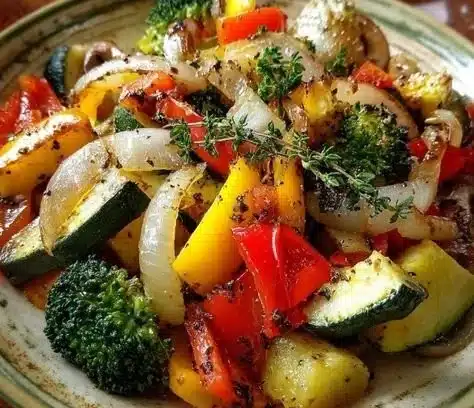
The scent of sautéed vegetables still takes me back to my grandmother’s cozy kitchen, filled with laughter and the warmth of family. I remember the first time I prepared a vibrant mix of colorful veggies—bell peppers, zucchini, and broccoli—dancing together in the skillet, coated in a shimmering layer of olive oil. As the garlic began to sizzle, releasing that aromatic essence that wrapped around us like a comforting hug, I felt an undeniable joy bubbling inside me. Healthy sautéed vegetables became more than just a dish; they transformed into a staple of our family gatherings. Each bite held the promise of health, and the vibrant colors reflected my grandmother’s love and passion for cooking. It was then I realized how simple, nutritious ingredients could evoke such happiness and connection. Every stir of the pan was a whisper of tradition, teaching me the importance of balance—both in food and in life.
When I share my healthy sautéed vegetables with friends and family today, I feel that same spirit of warmth. This dish has a special power to bring people together, highlighting the beauty of fresh produce and wholesome cooking. Whether it’s a casual weeknight meal or a festive feast, healthy sautéed vegetables have found their way to our table time and time again, reminding us of the joy that food can create.
Flavor and Popularity
The Unique Flavor Profile of Healthy Sautéed Vegetables
Healthy sautéed vegetables are a delightful harmony of flavors and textures, and their natural taste sings when prepared with care. The vibrant earthiness of seasonal vegetables, combined with the aromatic essence of garlic and onions, truly captivates the palate. Sautéing these colorful ingredients in a drizzle of olive oil not only enhances their flavors but also retains their nutrients, making the dish a standout on any dining table.
As we swirl the vegetables in the skillet, the high heat caramelizes their natural sugars, creating a sweet, rich taste that’s positively addictive. Each vegetable brings its own personality; the sweetness of bell peppers contrasts beautifully with the slight bitterness of kale, while crisp snap peas add a satisfying crunch. Incorporating fresh herbs—like basil or parsley—at the end adds a fragrant note that elevates the dish even further.
Why This Recipe Is a Family Favorite and Crowd-Pleaser
You can’t go wrong serving healthy sautéed vegetables as a side dish; they perfectly complement nearly any entrée. This recipe’s versatility means you can tailor it to seasonal availability or personal preference, easily transforming it from a mundane veggie dish to a flavorful centerpiece. My family adores the rainbow appearance of the vegetables, which always brings a sense of festivity to our meals.
Every time I set the table, those brightly colored veggies become the star of the show, decorating our plates and inviting compliments from guests. There’s something about the fresh crunch and the deliciously tender textures that makes healthy sautéed vegetables a guaranteed hit—adults and children alike find pleasure in the vibrant flavors and delightful presentation.
Ingredients and Preparation
Essential Ingredients and Possible Substitutions
To whip up a batch of healthy sautéed vegetables, gather these essential ingredients:
- Vegetables: Choose colorful varieties like bell peppers, zucchini, broccoli, carrots, and snap peas for a feast for the eyes and a nutrient powerhouse.
- Olive Oil: This adds healthy fats and helps create that luscious sautéed texture.
- Garlic: Always fresh, if possible! It infuses the dish with a robust flavor.
- Onion: Yellow or red onions work great—they lend a sweet and savory depth.
- Salt and Pepper: For seasoning, these staples bring out the natural flavors of the vegetables.
- Fresh Herbs: Basil, parsley, or thyme brightens up the dish with a fresh kick.
- Optional: A splash of soy sauce or balsamic vinegar can add an extra layer of umami flavor.
If you don’t have certain vegetables on hand, feel free to use what you love! Brussels sprouts or eggplant work beautifully, too. The beauty of sautéed vegetables lies in their adaptability.
Step-by-Step Recipe Instructions with Tips
Prep Your Vegetables: Wash and chop your vegetables into bite-sized pieces. Make sure to cut harder veggies like carrots smaller than soft vegetables like zucchini so they cook evenly.
Heat Your Skillet: Select a large skillet and place it over medium-high heat. Add a swirl of olive oil—about two tablespoons should do the trick.
Sauté the Aromatics: Add minced garlic and onion to the hot oil, stirring until they become fragrant and translucent, about 2 minutes.
Add the Hard Vegetables First: Toss in carrots and any other denser vegetables first. Sauté for about 3 minutes to allow them to soften.
Add the Softer Vegetables: Next, stir in your zucchini, bell peppers, and any quick-cooking greens like spinach or kale. Sauté everything together for another 2–5 minutes, or until the vegetables are tender yet still retain a bit of their crunch.
Season and Garnish: Sprinkle with salt and pepper, add a splash of soy sauce or balsamic vinegar, and toss in your fresh herbs just before serving. It’s all about that fresh flavor!
Taste Test and Adjust: Always give a taste at the end—adjust the seasoning if necessary, and enjoy the aromas filling your kitchen.
Your healthy sautéed vegetables are ready to serve! Allow them to cool slightly before plating, savoring the beautiful medley of colors.
Cooking Techniques and Tips
How to Cook Healthy Sautéed Vegetables Perfectly
Creating perfectly sautéed vegetables is all about technique and timing. Here are some insider tips:
- Use a High Heat: This helps to quickly caramelize the sugars in the vegetables without making them mushy.
- Avoid Crowding the Pan: If you’re cooking a lot of veggies, do it in batches. Crowding will steam them rather than sauté them, turning them soft and losing that delightful crunch.
- Don’t Skip the Oil: A good amount of oil not only prevents sticking but also enhances the overall flavor and texture.
- Experiment with Heat Levels: Don’t be afraid to turn the heat up briefly for a nice char on your veggies—but watch them closely to prevent burning.
Common Mistakes to Avoid
While sautéing seems simple, there are mistakes that can hinder your results. Here’s what to watch out for:
- Overcooking: Vegetables should be tender but still have a bit of bite. Don’t let them go mushy!
- Skipping Seasoning: Always season with salt and pepper—they enhance flavors and make the dish pop.
- Using Cold Oil: Always preheat your skillet and add the oil when hot. Cold oil can lead to sticking and uneven cooking.
Health Benefits and Serving Suggestions
Nutritional Value of Healthy Sautéed Vegetables
Healthy sautéed vegetables are a rich source of vitamins and minerals. By focusing on a medley of colorful options, you ensure a wide range of nutrients. Here are just a few health benefits:
- Vitamins and Minerals: The variety of veggies means you can enjoy a boost of vitamins A, C, K, and numerous B vitamins.
- Fiber-Rich: High fiber content from vegetables is fantastic for digestion and helps keep you feeling full.
- Low-Calorie Option: Sautéed veggies are relatively low in calories while providing essential nutrients—making them a fabulous choice for weight management.
Best Ways to Serve and Pair This Dish
Healthy sautéed vegetables shine as a side dish but can also steal the main stage in many meals. Here are some delightful pairings:
- With Protein: Serve alongside grilled chicken, fish, or tofu for a complete meal.
- As a Topping: Pile on top of a bed of quinoa or brown rice, or use as a savory topping for baked potatoes.
- In Salads: Toss cooled vegetables into a salad for added flavor and texture.
- Wraps and Sandwiches: They make a fantastic filling, adding crunch and a burst of flavor.
FAQ Section
What type of mushrooms are best for Healthy Sautéed Vegetables?
When it comes to mushrooms, I love using cremini, button, or shiitake varieties for healthy sautéed vegetables. Their earthy flavors blend beautifully with the other ingredients, but feel free to experiment with any type you enjoy!
Can I use dried garlic instead of fresh?
While fresh garlic adds a bright flavor that’s hard to beat, you can substitute dried garlic if needed. Just remember that the flavor will be milder; use about one-eighth of a teaspoon for every clove of fresh garlic.
How do I store leftover Healthy Sautéed Vegetables?
Allow the vegetables to cool completely before transferring them to an airtight container. Store in the fridge, where they will last for about 3-4 days.
Can I freeze Healthy Sautéed Vegetables?
Yes, you can freeze healthy sautéed vegetables! Cool them completely, then transfer to a freezer bag. They will keep well for up to three months. When ready to eat, reheat them in a skillet or microwave.
Conclusion
If you’re like me and cherish the connection food brings to our lives, I encourage you to try your hand at these healthy sautéed vegetables. They’re simple to make and incredibly satisfying. There’s something comforting about the aroma wafting through your kitchen as you create a medley of flavor and nutrition. Trust me, you’ll want to make this again and again, sharing it with your loved ones just as my grandmother taught me long ago. Cooking is more than just preparing food; it’s about cultivating joy, nurturing relationships, and savoring the moments together.
Print
Healthy Sautéed Vegetables
- Total Time: 25 minutes
- Yield: 4 servings 1x
- Diet: Vegan
Description
A vibrant mix of colorful sautéed vegetables seasoned with garlic and herbs, perfect as a side dish or a healthy main course.
Ingredients
- 1 cup bell peppers (red, yellow, green), chopped
- 1 cup zucchini, sliced
- 1 cup broccoli florets
- 1 cup carrots, sliced
- 1 cup snap peas
- 2 tablespoons olive oil
- 2 cloves garlic, minced
- 1 onion (yellow or red), sliced
- Salt and pepper to taste
- Fresh herbs (basil, parsley, or thyme), for garnish
- Optional: Splash of soy sauce or balsamic vinegar
Instructions
- Wash and chop your vegetables into bite-sized pieces, cutting harder veggies smaller for even cooking.
- Heat a large skillet over medium-high heat and add olive oil.
- Add minced garlic and onion, stirring until fragrant and translucent, about 2 minutes.
- Toss in carrots and other hard veggies first, sautéing for about 3 minutes.
- Add zucchini, bell peppers, and any quick-cooking greens, sautéing for another 2-5 minutes until tender but still crisp.
- Season with salt, pepper, and optional soy sauce or balsamic vinegar, mixing in fresh herbs just before serving.
- Taste and adjust seasoning as necessary, then serve warm.
Notes
Feel free to substitute seasonal vegetables based on availability or preference. Avoid crowding the pan to maintain texture.
- Prep Time: 15 minutes
- Cook Time: 10 minutes
- Category: Side Dish
- Method: Sautéing
- Cuisine: American
Nutrition
- Serving Size: 1 serving
- Calories: 150
- Sugar: 6g
- Sodium: 250mg
- Fat: 9g
- Saturated Fat: 1g
- Unsaturated Fat: 7g
- Trans Fat: 0g
- Carbohydrates: 18g
- Fiber: 4g
- Protein: 3g
- Cholesterol: 0mg
Keywords: sautéed vegetables, healthy side dish, vegan recipe, quick meals