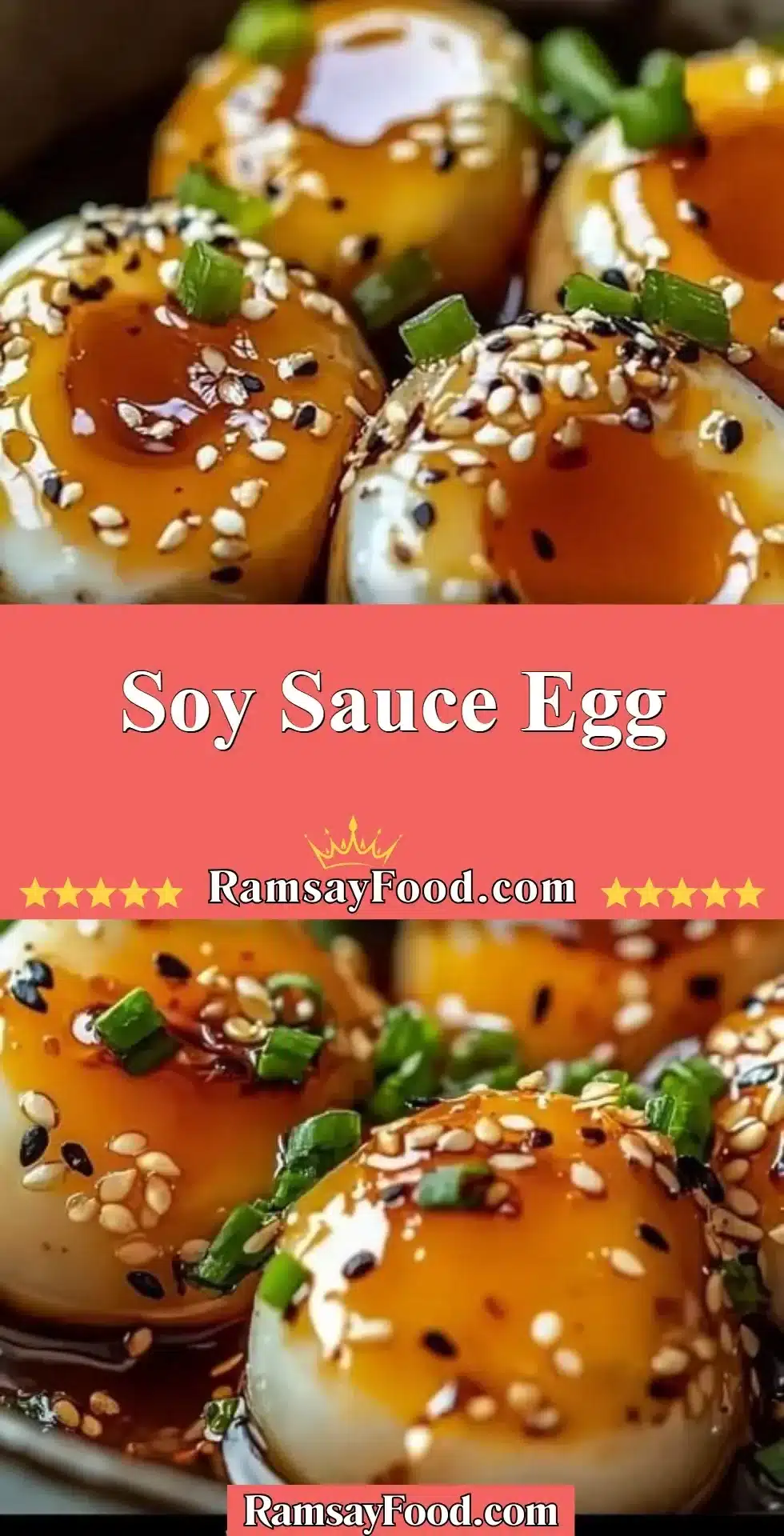
There I was, a bright Saturday morning in Asheville, with the sun streaming through my kitchen window, casting a warm glow on my aging wooden table. I had just returned from the local farmers’ market, basket in tow, overflowing with fresh produce. That day, I stumbled upon a peculiar little stall selling homemade Soy Sauce Egg, a delicacy I had always wanted to try but never had. The vendor described how this dish—simple yet remarkable—features hard-boiled eggs marinated in a rich soy sauce mixture, creating a beautiful balance of savory flavors and a creamy texture. Its simplicity reminded me of my grandmother’s cooking, rich in taste but unpretentious, filling every belly with happiness.
I finally set out to recreate that dish at home. As the eggs simmered on the stovetop, the house filled with a tantalizing aroma. It felt like a warm hug from my childhood. I could almost hear Grandma saying how the art of cooking is not only about skill, but also about creating memories and joy. The moment I tasted that first bite of Soy Sauce Egg, it transported me back to the heart of my family kitchen, surrounded by laughter and love. This dish holds a special place in my heart, and I can’t wait to share it with you!
The world of Soy Sauce Egg may seem simple at first glance, but it brims with depth and flavor. This egg dish earns its spot in kitchens across continents, especially in Asian cuisines, where it’s a cherished staple. Its umami-rich profile and lush silkiness make it a versatile addition to any meal—be it a breakfast delight, a snack, or an accompaniment to a glorious rice bowl.
Flavor and Popularity
The Unique Flavor Profile of Soy Sauce Egg
Soy Sauce Egg captivates like no other. Imagine a hard-boiled egg, its rich yolk just a bit custardy from soaking up that savory soy sauce. The salty notes intermingled with a whisper of sweetness from the sauce transform the humble egg into something truly special. You’ll experience an earthy flavor intertwined with the comforting richness of butter and herbs, creating a peak culinary experience.
Why This Recipe Is a Family Favorite and Crowd-Pleaser
From my family gatherings to casual dinners with friends, Soy Sauce Egg is always met with enthusiastic cheers. It doesn’t just satisfy hunger; it sparks conversation and brings warmth to the table. Whether it’s served as a side dish or a star atop a bed of freshly steamed rice, there’s an undeniable charm about it. Kids adore it; adults savor it, and before you know it, the platter is emptied, leaving nothing but the echo of laughter and full bellies. And trust me, once you share it, you’ll find that it’s an instant crowd-pleaser, beckoning everyone back for more.
Ingredients and Preparation
Essential Ingredients and Possible Substitutions
To make your perfect Soy Sauce Egg, you’ll want to gather some simple yet essential ingredients:
- Eggs: Fresh, large eggs will yield the best results. The quality shines through the final dish.
- Soy Sauce: A good-quality soy sauce is vital. Opt for low-sodium if you prefer a milder flavor.
- Mirin or Rice Wine: Adding this brings a subtle sweetness. If you don’t have it, you can substitute with a teaspoon of sugar in regular soy sauce.
- Water: To balance the salty intensity and create that delightful marinade.
- Optional Aromatics: Ginger, garlic, or scallions can elevate your dish, providing those wonderful aromatic notes.
Don’t fret if you need substitutions! You can experiment with different types of soy sauce (such as tamari for gluten-free) or even add a dash of sesame oil for extra flavor.
Step-by-Step Recipe Instructions with Tips
Start by boiling your eggs. Gently place them in a pot of water and bring it to a rolling boil. Once boiling, reduce the heat slightly and let them simmer for 7-9 minutes, depending on your preferred doneness.
While your eggs are cooking, prepare the marinade. In a bowl, mix together soy sauce, mirin, and water, adjusting the quantities according to how many eggs you’re cooking.
Once your eggs are done, immediately place them in a bowl of ice water to stop the cooking process. Let them cool for about 5-10 minutes.
Once cooled, peel the eggs gently and place them in the marinade. Ensure they are fully submerged; you may need to weight them down with a small plate.
Let them marinate in the refrigerator for at least 2 hours, but overnight is even better. The longer they sit, the deeper the flavors infuse into the eggs.
When ready to serve, slice them in half to reveal the beautiful color and texture. Drizzle any extra marinade over the top, and garnish with chopped scallions or sesame seeds if desired.
Now that you’ve got your hands on this recipe, I have some tips to make it shine even more. Choose the freshest eggs you can find; the quality really matters! Additionally, try experimenting with different marinades, perhaps adding a bit of chili oil if you fancy a kick.
Cooking Techniques and Tips
How to Cook Soy Sauce Egg Perfectly
Achieving the perfect Soy Sauce Egg boils down to monitoring your cooking times closely. Aim for that ideal boil—too short, and the yolk remains runny; too long, and it becomes rubbery. A gentle simmer after boiling is key, and don’t forget that ice bath—this technique halts the cooking process, ensuring melt-in-your-mouth perfection.
Common Mistakes to Avoid
One mistake many home cooks make is neglecting the cooling stage. Skipping the ice bath can cause overcooking, resulting in a chalky texture. Don’t rush the marination process either; instant gratification leads to disappointment when the flavors haven’t had enough time to meld. Lastly, remember that less can be more with soy sauce, especially if you are watching your sodium intake. A well-balanced flavor is what we’re aiming for.
Health Benefits and Serving Suggestions
Nutritional Value of Soy Sauce Egg
Not only is Soy Sauce Egg a delight for the tastebuds, it also packs a nutritional punch. Eggs provide a great source of protein and healthy fats, essential for a well-rounded diet. Pairing them with soy sauce gives you a dose of antioxidants as well as flavor. While moderation is key with soy sauce, this dish can fit into a balanced meal plan without compromising taste for health.
Best Ways to Serve and Pair This Dish
Serving Soy Sauce Egg is all about creativity. You can layer them on avocado toast for breakfast, toss them in a noodle salad for lunch, or garnish some fried rice with them for dinner. They enhance a variety of dishes, turning simple meals into culinary masterpieces. For a truly delightful experience, serve them warm with fresh cilantro and a sprinkle of sesame seeds on top.
FAQ Section
What type of mushrooms are best for Soy Sauce Egg?
For a delightful earthy flavor, shiitake mushrooms work miracles when paired with Soy Sauce Egg. They soak up the marinade beautifully and complement the dish’s umami essence. You can also try cremini or button mushrooms depending on what you have available.
Can I use dried garlic instead of fresh?
While fresh garlic delivers a vibrant punch, dried garlic can be a handy alternative if you’re in a pinch. It won’t have the same intensity, so adjust the quantity accordingly, using less than you would with fresh.
How do I store leftover Soy Sauce Egg?
You can store leftover Soy Sauce Egg in an airtight container in the refrigerator for up to a week. Just be sure to keep them submerged in the marinade; this allows them to stay flavorful and moist.
Can I freeze Soy Sauce Egg?
Freezing is not recommended, as it can alter the texture of the egg when thawed. The best way to enjoy them is fresh or stored in the fridge for a limited time.
In closing, if you’re like me and cherish the moments that food can create, I wholeheartedly encourage you to try making Soy Sauce Egg. Each bite stirs up fond memories and carries the warmth of home right to your table. There’s something comforting about the simplicity of it all—the soft egg, that savory soy goodness, and the joy it brings when shared. Trust me, you’ll want to make this again and again, weaving your memories into this wonderful dish that holds so much potential. Enjoy your cooking adventure!
Print
Soy Sauce Egg
- Total Time: 150 minutes
- Yield: 4 servings 1x
- Diet: High Protein
Description
A simple yet remarkable dish featuring hard-boiled eggs marinated in a savory soy sauce mixture, creating a delightful balance of flavors.
Ingredients
- 4 large eggs
- 1/2 cup soy sauce (preferably low-sodium)
- 1/4 cup mirin or rice wine (or 1 tsp sugar as substitute)
- 1/4 cup water
- Optional: ginger, garlic, or scallions for added flavor
Instructions
- Boil the eggs in a pot of water for 7-9 minutes, depending on desired doneness.
- Prepare the marinade by mixing together soy sauce, mirin, and water in a bowl.
- After boiling, place the eggs in ice water for 5-10 minutes to cool them down.
- Peel the cooled eggs and submerge them in the marinade, using a small plate to keep them submerged.
- Marinate in the refrigerator for at least 2 hours or overnight for best flavor.
- When ready to serve, slice the eggs in half and drizzle with any extra marinade, garnishing with scallions or sesame seeds if desired.
Notes
Choose the freshest eggs for the best results. Experiment with different marinades or add chili oil for a spicy kick.
- Prep Time: 10 minutes
- Cook Time: 20 minutes
- Category: Side Dish
- Method: Boiling
- Cuisine: Asian
Nutrition
- Serving Size: 1 egg
- Calories: 260
- Sugar: 3g
- Sodium: 800mg
- Fat: 18g
- Saturated Fat: 5g
- Unsaturated Fat: 11g
- Trans Fat: 0g
- Carbohydrates: 2g
- Fiber: 0g
- Protein: 22g
- Cholesterol: 370mg
Keywords: Soy Sauce Egg, marinated eggs, Asian cuisine, easy recipe, high protein