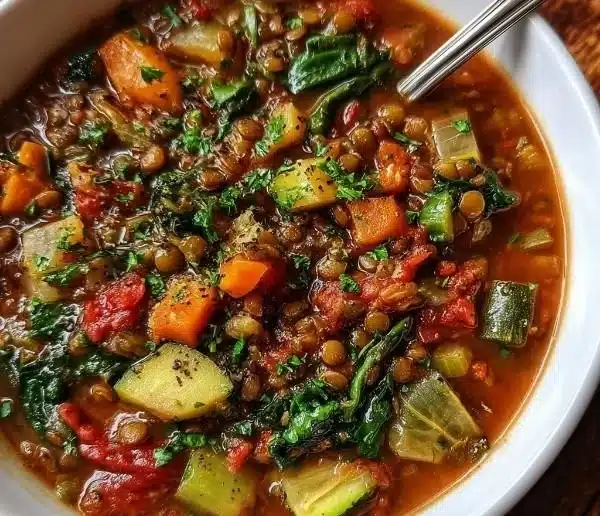

The first time I made Vegetable Miso Stew, I remember being enveloped by a warm embrace of savory aromas as the ingredients danced together in my kitchen. It was chilly outside, a crisp autumn day in Asheville, where the leaves painted the world in hues of gold and crimson. I had just come home from a close friend’s potluck, where she introduced me to this vibrant stew. The moment I tasted that rich umami flavor, layered with the earthiness of the vegetables, something inside me sparked with excitement. I rushed home, eager to recreate it in my own cozy kitchen.
As I gathered my ingredients—fresh veggies, aromatic garlic, and that glorious miso paste—memories of family gatherings filled my heart. My grandmother would always say that cooking is love made visible, and with each stir of the pot, I felt her spirit beside me. The way the miso blended seamlessly with the vegetables reminded me how food has a way of connecting us, telling stories of traditions and shared meals. This Vegetable Miso Stew has since become a cherished recipe in our home, a symbol of comfort and the joy of sharing a hearty meal with those we love.
Flavor and Popularity
The Unique Flavor Profile of Vegetable Miso Stew
Vegetable Miso Stew invites you into a world of comforting flavors and vibrant colors. It offers a balance of salty, sweet, and umami notes, primarily thanks to the star ingredient: miso paste. This fermented soybean paste is not merely an ingredient; it’s the heart of the stew. It carries a depth of flavor that transforms simple vegetables into something extraordinary.
The beauty of this stew lies in its flexibility. You can customize it with whatever fresh produce you have on hand—carrots, spinach, zucchini, or mushrooms can each play a starring role. Each vegetable adds its unique character and texture, creating a pot of goodness that feels both nourishing and satisfying.
Why This Recipe Is a Family Favorite and Crowd-Pleaser
What makes Vegetable Miso Stew a cherished family recipe is not only its delightful taste but also its wholesome nature. It’s an all-in-one dish—filling, nutritious, and brimming with color. Friends have raved about how comforting it feels, and during our weekly gatherings, it inevitably becomes the centerpiece of our meal.
When I first served it at a gathering, I watched as my friends dug in, their eyes lighting up with that first spoonful. At its heart, veggie miso stew serves as a conversation starter, a cue for laughter and warm exchanges around the table. It has that magical ability to soothe souls and warm hearts, making it the ultimate comfort food.
Ingredients and Preparation
Essential Ingredients and Possible Substitutions
To make a delightful Vegetable Miso Stew, here are the essentials you’ll need:
- Miso Paste: This could be white, yellow, or red; each variety offers a different flavor depth.
- Vegetable Broth: Choose a lovely homemade broth if you can, but store-bought will work in a pinch.
- Fresh Vegetables: Carrots, cabbage, snap peas, and mushrooms add incredible flavors and textures. Feel free to get creative!
- Tofu: This protein packs a punch while soaking up the delicious broth.
- Aromatics: Don’t skip garlic and ginger. They create a flavor base that makes the stew sing.
- Green Onions: These make a lovely garnish and add freshness.
- Fresh Herbs: Cilantro or parsley provide a pop of color.
If you need substitutions, rest easy! You can swap the miso with tahini for a different depth or use kombu or nutritional yeast for additional umami. As for tofu, chickpeas or white beans can easily fill in as hearty protein options. And for veggies, always feel free to use what you have on hand—eggplant or sweet potatoes would work beautifully too!
Step-by-Step Recipe Instructions with Tips
Now that you have your ingredients, let’s create this heartwarming stew together:
- Prepare the Vegetables: Chop your veggies into bite-sized pieces. This ensures even cooking and makes for inviting mouthfuls.
- Sauté the Aromatics: In a large pot, heat a tablespoon of oil over medium heat. Add minced garlic and grated ginger, stirring until fragrant—about 1 minute. Avoid letting them brown too much, as then they can taste bitter.
- Add the Vegetables: Toss in your harder vegetables first—like carrots and mushrooms—sautéing for about 5 minutes. This helps build that flavor base.
- Pour in the Broth: After your veggies soften a bit, pour in the vegetable broth, and bring to a gentle simmer.
- Stir in the Miso: Once the broth is simmering, add in your miso paste. Make sure to dissolve it in a cup of warm broth before adding it to the pot to avoid clumps.
- Simmer and Add Tofu: Once everything is mixed well, add your tofu and let the stew simmer for about 15 minutes, allowing all the flavors to meld together.
- Garnish and Serve: When ready, ladle the stew into bowls, topping with chopped green onions and fresh herbs.
Trust me on this—take a moment to inhale the fragrance before digging in; it’s a little ritual of gratitude to enjoy.
Cooking Techniques and Tips
How to Cook Vegetable Miso Stew Perfectly
To achieve that dreamy stew consistency, be patient during the cooking process. Allow the broth to meld with the miso and vegetables adequately. The longer it simmers, the more profound the flavor will be.
If you’re in a hurry, an Instant Pot can help you whip up this dish in about half the time, but it’s worth slowing down to savor the aroma that fills your kitchen.
Common Mistakes to Avoid
One of the most common pitfalls is forgetting to dissolve the miso paste properly. Adding dry miso can leave clumps that won’t integrate into the stew. Additionally, don’t crowd your pot with too many vegetables; too many at once can lead to uneven cooking and textures. Lastly, adjust the seasoning just before serving; miso can vary in saltiness, so ensure to taste and adjust based on your family’s preferences.
Health Benefits and Serving Suggestions
Nutritional Value of Vegetable Miso Stew
There’s a medley of benefits in a bowl of Vegetable Miso Stew. It’s low in calories and high in vitamins thanks to the fresh produce and antioxidants found in miso. Miso is also a fabulous source of probiotics, which support good gut health—an added incentive to whip up this dish regularly!
With hearty tofu or beans, you get a solid protein boost, making it an excellent meal choice for both vegetarians and omnivores alike.
Best Ways to Serve and Pair This Dish
Vegetable Miso Stew shines as a standalone meal, but it pairs beautifully with a side of warm rice or crusty bread, providing that comforting balance of textures. For a more complete dining experience, serve alongside pickled vegetables or a fresh salad dressed lightly with a citrus vinaigrette.
FAQ Section
What type of mushrooms are best for Vegetable Miso Stew?
For the best flavor and texture, I love using shiitake or cremini mushrooms. Their earthy notes elevate the stew and contribute to that umami punch, making every bite exciting.
Can I use dried garlic instead of fresh?
While dried garlic can work in a pinch, fresh garlic brings a brightness that dried simply can’t replicate. If you must use dried, remember that it’s more concentrated, so use about one-third the amount of fresh.
How do I store leftover Vegetable Miso Stew?
Leftover stew can be stored in an airtight container in the fridge for up to 4 days. Just reheat gently on the stove to preserve flavors, avoiding rapid boiling as it can alter the texture of the veggies.
Can I freeze Vegetable Miso Stew?
Absolutely! Vegetable Miso Stew freezes well. Portion it into containers, and it will last for up to three months in the freezer. Just make sure to leave some space at the top of the container, as it will expand when frozen.
The warmth of sharing food is indeed one of life’s greatest joys. As I think about those cozy evenings around the table with family and friends, I hope you too, will find the same comfort in this soup.
So, roll up your sleeves and give this Vegetable Miso Stew a try; it’s not just a meal; it’s a heartwarming experience waiting to happen. If you’re like me, you’ll find joy in the process, the colors simmering together, and the delicious aroma wrapping around you like a warm hug. Trust me, you’ll want to make this again and again.
Print
Vegetable Miso Stew
- Total Time: 45 minutes
- Yield: 4 servings
- Diet: Vegetarian
Description
A heartwarming and nourishing Vegetable Miso Stew, packed with fresh vegetables and rich umami flavor from miso paste.
Ingredients
- Miso paste (white, yellow, or red)
- Vegetable broth
- Fresh vegetables (carrots, cabbage, snap peas, mushrooms)
- Tofu
- Garlic
- Ginger
- Green onions
- Fresh herbs (cilantro or parsley)
Instructions
- Chop the vegetables into bite-sized pieces.
- In a large pot, heat a tablespoon of oil over medium heat. Add minced garlic and grated ginger, stirring until fragrant (about 1 minute).
- Add harder vegetables first (carrots and mushrooms) and sauté for about 5 minutes.
- Pour in the vegetable broth and bring to a gentle simmer.
- Dissolve the miso paste in a cup of warm broth before adding it to the pot. Avoid clumps.
- Add tofu and let the stew simmer for about 15 minutes.
- Ladle the stew into bowls, topping with chopped green onions and fresh herbs.
Notes
This stew can be customized with whatever vegetables you have on hand. Don’t forget to dissolve the miso paste thoroughly to avoid clumps.
- Prep Time: 15 minutes
- Cook Time: 30 minutes
- Category: Soup
- Method: Stovetop
- Cuisine: Japanese
Nutrition
- Serving Size: 1 serving
- Calories: 250
- Sugar: 3g
- Sodium: 800mg
- Fat: 10g
- Saturated Fat: 1g
- Unsaturated Fat: 9g
- Trans Fat: 0g
- Carbohydrates: 30g
- Fiber: 4g
- Protein: 14g
- Cholesterol: 0mg
Keywords: miso, stew, vegetarian soup, comfort food, healthy recipe