
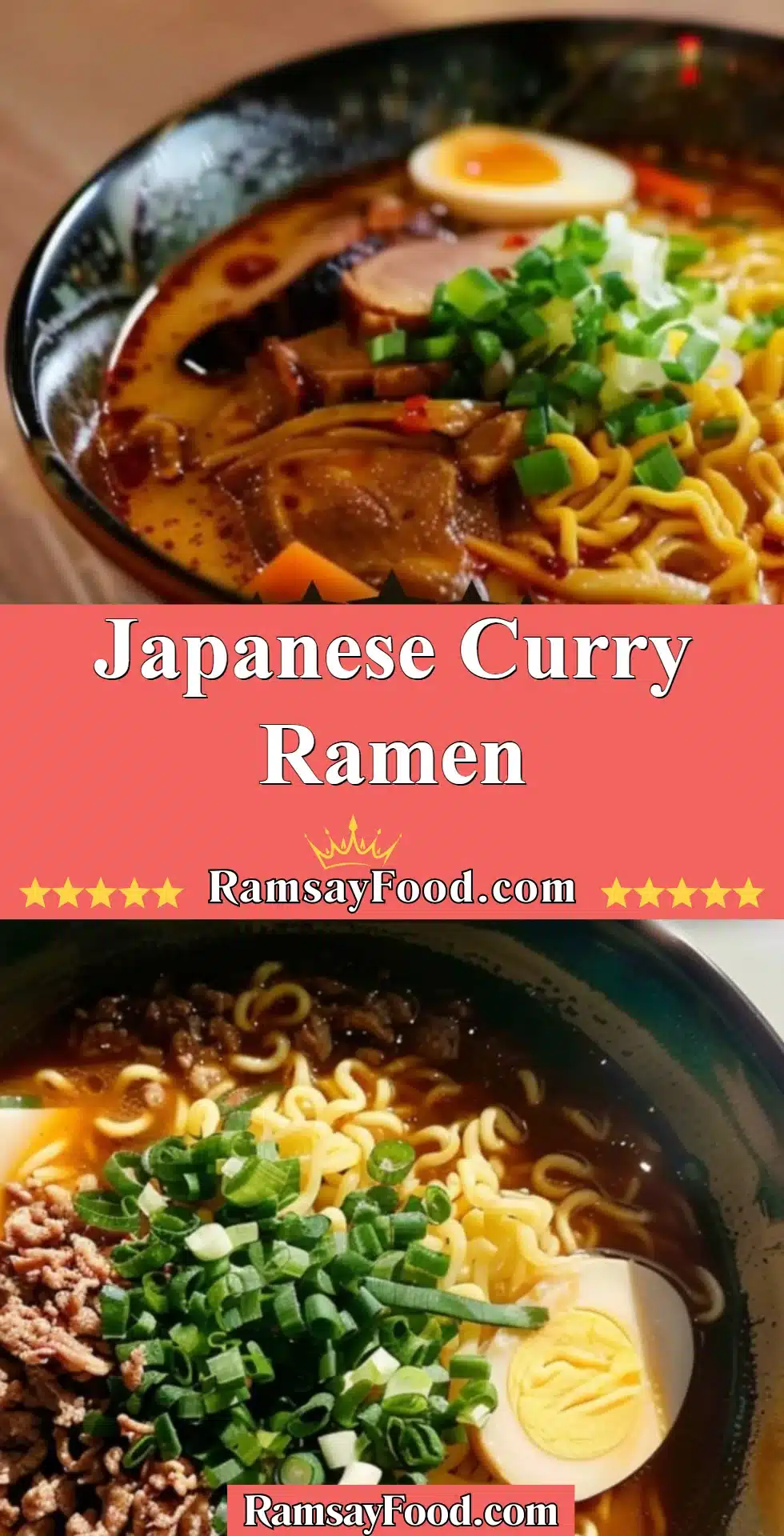
As I stood in my bustling kitchen one chilly afternoon, the fragrant aroma of simmering spices filled the air, instantly transporting me back to a special moment in my culinary journey. It was during my first trip to a quaint little Japanese noodle shop, tucked away in a bustling street of San Francisco. I had ordered the Japanese Curry Ramen without knowing just how transformative it would be. The rich, buttery broth swirled with the complex warmth of curry, topped with glistening mushrooms and perfectly cooked noodles. The first bite felt like a warm hug, enveloping me in its comfort and flavor—a delightful experience I’ve since chased in my own kitchen.
Inspired by that unforgettable meal, I began experimenting with recipes, yearning to recreate that bowl of joy. Over the years, Japanese Curry Ramen has become a beloved staple not only in my household but also among friends and family who gather around my table. It’s perfect for those chilly evenings when all you crave is something hearty and delicious. Let me invite you into my kitchen to discover the secrets of this wonderful dish that marries comfort and culinary adventure.
Flavor and Popularity
The Unique Flavor Profile of Japanese Curry Ramen
Japanese Curry Ramen stands out among noodle dishes, thanks to its unique flavor profile. The harmony of curry and ramen results from the perfect blend of spices that evoke warmth and comfort. Curry brings a gentle heat, while the umami elements from the miso, soy sauce, and rich broth create a multidimensional taste experience. You’ll notice the earthy tones from fresh mushrooms and the subtle sweetness from caramelized onions, coaxing each ingredient to dance together in harmonious blend.
What truly makes this dish delightful is the balance of textures. The chewy ramen noodles provide a lovely contrast to the tender vegetables and protein, whether it’s succulent chicken, tender tofu, or juicy pork. Topped with fresh herbs and a sprinkle of scallions, every bowl of Japanese Curry Ramen is not just a meal; it’s a feast for the eyes and the palate.
Why This Recipe Is a Family Favorite and Crowd-Pleaser
The charm of Japanese Curry Ramen goes beyond its flavor; it’s also a meal that brings loved ones together. Whenever I whip up a pot of this delectable dish, I know it’s going to be a hit. Families, friends, and even the neighbors can’t resist gathering at my table, drawn by the soothing scent wafting through the air.
One of my favorite memories is when my daughter invited her friends over for a study session, and I decided to surprise them with a homemade bowl of this comforting dish. The laughter and chatter around the dinner table, as bowls were filled and stories were shared, created a wonderful atmosphere. Everyone loved digging into the flavorful broth, while the warmth of the meal made even the busiest night feel special. That’s the power of Japanese Curry Ramen—it’s not just food; it’s an experience filled with laughter, coziness, and connections.
Ingredients and Preparation
Essential Ingredients and Possible Substitutions
To embark on your own Japanese Curry Ramen journey, you’ll want to gather a selection of essential ingredients.
Ramen noodles: Fresh or dried, these form the heart of your dish. If you can find a Japanese variety, that’s fantastic! But don’t worry; other types will work too.
Curry roux: This is the key element that brings rich flavor. Look for Japanese curry blocks in Asian markets—they come in various spice levels.
Broth: A deep chicken or vegetable broth serves as the base. Homemade is best, but good-quality store-bought works in a pinch.
Protein: You can choose chicken, pork, shrimp, or tofu. Each brings its own charm to the dish.
Vegetables: Mushrooms, carrots, and bok choy are the traditional choices, but feel free to use what’s in your fridge. Bell peppers, spinach, or green beans work wonderfully too.
Aromatics: Fresh garlic and ginger add layers of flavor. Lemon grass can elevate the freshness even more.
Toppings: Chopped scallions, nori sheets, and sesame seeds provide an inviting finish.
If you’re looking for substitutions, you might consider:
- For ramen noodles, udon or soba noodles will work quite nicely.
- For protein, chickpeas are an unexpected but delightful option for a vegetarian twist.
- Instead of traditional vegetables, you can use green peas or zucchini, depending on your preferences and what’s in season.
Step-by-Step Recipe Instructions with Tips
Now, let’s dive into making this inviting dish.
Prepare your broth: In a pot, combine your chicken or vegetable broth with water. Bring it to a gentle simmer, and slide in a few pieces of sliced ginger and garlic for a fragrant base. You may choose to get creative here with a splash of soy sauce or mirin for extra depth.
Cook the protein: In a pan, heat a splash of oil (preferably sesame) over medium heat. Add your chosen protein and season with a pinch of salt until it’s cooked through. Set it aside.
Sauté the vegetables: In the same pan, toss in your sliced onions and carrots. Let them soften, stirring frequently. Once they’re tender, introduce your mushrooms and bok choy. Allow them to get a little caramelized for an extra layer of flavor.
Add the curry roux: Return to your broth and stir in the curry roux block, breaking it up until it dissolves completely. This will thicken and enhance the broth, creating that luscious texture you crave.
Combine: Add the sautéed veggies and cooked protein to the pot. This is where all the magic melds together! Let it simmer gently for about 5-10 minutes, allowing flavors to steep.
Cook the noodles: In a separate pot of boiling water, cook your ramen noodles according to the package instructions. Drain and rinse under cold water to stop cooking.
Assembly time: In bowls, layer the ramen noodles first, then ladle the aromatic broth filled with vegetables and protein over the top.
Garnish: Enjoy the artistry of plating! Top with fresh scallions, a sprinkle of sesame seeds, and nori sheets. Adding a drizzle of chili oil can also add a nice kick.
Serve: Present the bowls hot, and encourage everyone to dive in! Trust me; they will want seconds.
Cooking Techniques and Tips
How to Cook Japanese Curry Ramen Perfectly
Cooking Japanese Curry Ramen is all about balance—between flavors, textures, and presentation. Here are some tips that have helped me achieve that beloved comfort bowl every time:
Choose quality ingredients: The base—your broth—is essential. If you can, homemade is best. If you’re using store-bought, seek out lower-sodium options for better control over flavor.
Don’t rush the sauté: Take your time with the sautéing process. Caramelizing your vegetables can unlock some rich flavors that are absolutely essential to the overall taste.
Customize the curry intensity: The beauty of using curry roux is you can adjust how hearty or mild you want your broth. Don’t be afraid to taste and add more if needed!
Keep it fresh: Adding vibrant, fresh toppings gives each bowl a burst of life. Never skip the final garnishing step—it’s worth it!
Common Mistakes to Avoid
In cooking, we all have our slip-ups. Here are a few common pitfalls to steer clear of:
Overcooking the noodles: No one likes mushy ramen! Keep an eye on the cooking time and drain them while they still have a little bite.
Ignoring the broth quality: A broth that’s too bland can detract from the dish. Be sure to taste as you go, adjusting with spices or seasoning.
Using too much curry roux: It can be tempting to throw in more, but start slowly and build up. You can always add more, but it’s harder to adjust if you overdo it.
Health Benefits and Serving Suggestions
Nutritional Value of Japanese Curry Ramen
Japanese Curry Ramen is not just a tasty treat; it comes packed with nutritional benefits. The broth is typically low in calories while being high in flavor because of the spices. The inclusion of protein from meats or tofu provides necessary energy and muscle-building benefits.
The vegetables—rich in vitamins and minerals—add important nutrients that contribute to a balanced diet. Fresh herbs introduce antioxidants that are excellent for your health. Plus, with the versatility in ingredients, you can customize this dish to suit various dietary needs, whether low-carb, vegetarian, or even gluten-free.
Best Ways to Serve and Pair This Dish
Japanese Curry Ramen can be served as a hearty meal on its own, but don’t hesitate to pair it with a few delightful side dishes. Some favorites include:
Japanese pickles (tsukemono): These crunchy, tangy bites contrast beautifully with the rich noodles.
Gyoza or dumplings: These savory delights offer a satisfying crunch and flavor complement to your ramen.
Simple salad: A fresh, light salad composed of cucumbers, sesame, and rice vinegar pairs exceptionally well to balance out the richness of the curry ramen.
When serving, arrange everything nicely for that appealing presentation—because we eat with our eyes first!
FAQ Section
What type of mushrooms are best for Japanese Curry Ramen?
The best mushrooms for Japanese Curry Ramen include shiitake, enoki, or even regular button mushrooms. They add an earthy flavor and vibrant texture that enhances the overall dish. Shiitake brings an intense umami that can elevate your bowl to new heights!
Can I use dried garlic instead of fresh?
While fresh garlic yields a more vibrant flavor, you can absolutely use dried garlic in a pinch. Just keep in mind that dried garlic is quite potent, so use it judiciously. Start with a smaller amount and adjust based on your taste preferences.
How do I store leftover Japanese Curry Ramen?
Storing leftovers is easy—simply keep the broth separate from the noodles to maintain their texture. Store in airtight containers in the refrigerator for up to 3 days. When reheating, add a splash of broth to restore the flavors and moisture!
Can I freeze Japanese Curry Ramen?
Yes, you can freeze the broth and any pre-cooked protein! However, the noodles tend to become mushy upon thawing, so it’s best to cook fresh noodles when you’re ready to enjoy it again. Consider freezing in portioned containers so you can enjoy a hot bowl anytime!
Conclusion
If you’re like me and find joy in cooking meals that comfort the soul, give this Japanese Curry Ramen a try. You’ll discover that it’s more than just a recipe; it’s an experience worth sharing around the table. There’s something comforting about the aroma wafting from the pot, calling everyone to gather together. Trust me, you’ll want to make this again and again. Happy cooking, friends!
Print
Japanese Curry Ramen
- Total Time: 45 minutes
- Yield: 4 servings
- Diet: Vegetarian (with substitutions)
Description
A comforting bowl of Japanese Curry Ramen, rich in flavor and perfect for chilly evenings.
Ingredients
- Ramen noodles (fresh or dried)
- Japanese curry roux
- Chicken or vegetable broth
- Protein (chicken, pork, shrimp, or tofu)
- Mushrooms
- Carrots
- Bok choy
- Fresh garlic
- Fresh ginger
- Chopped scallions
- Nori sheets
- Sesame seeds
Instructions
- Prepare the broth: Combine chicken or vegetable broth with water, bring to a simmer, and add sliced ginger and garlic.
- Cook the protein: Heat sesame oil in a pan, add chosen protein, and season with salt until cooked through.
- Sauté the vegetables: In the same pan, add sliced onions and carrots. Stir until softened, then add mushrooms and bok choy.
- Add the curry roux: Stir in the curry roux into the broth until dissolved.
- Combine: Add sautéed veggies and cooked protein back to the pot and simmer for 5-10 minutes.
- Cook the noodles: Cook ramen noodles according to package instructions, then drain and rinse.
- Assembly: Layer noodles in bowls, ladle broth with veggies and protein over the top.
- Garnish: Top with scallions, sesame seeds, and nori sheets. Optionally, add chili oil.
- Serve hot and enjoy!
Notes
Customize the protein and vegetables based on your preferences. Serve with side dishes like Japanese pickles or gyoza for an enhanced experience.
- Prep Time: 15 minutes
- Cook Time: 30 minutes
- Category: Main Course
- Method: Simmering
- Cuisine: Japanese
Nutrition
- Serving Size: 1 serving
- Calories: 450
- Sugar: 4g
- Sodium: 800mg
- Fat: 15g
- Saturated Fat: 3g
- Unsaturated Fat: 8g
- Trans Fat: 0g
- Carbohydrates: 60g
- Fiber: 4g
- Protein: 22g
- Cholesterol: 50mg
Keywords: Japanese Curry Ramen, Comfort Food, Noodles, Family Recipe