It was a warm summer afternoon when I first discovered the sheer joy of Healthy Sautéed Vegetables. I remember wandering into my grandmother’s kitchen, the faint scent of garlic teasing my senses as I approached. She was at the stove, the sun pouring in through the window, casting a golden light over everything. The medley of vibrant colors—bright green zucchini, deep orange carrots, and rich purple eggplant—simmered happily in a well-loved skillet. As she tossed in a handful of fresh herbs, the aroma transformed into something truly magical. My curiosity got the better of me, and I asked, "What’s the secret?" She smiled, a twinkle in her eye, and said, “It’s all about the love you put in and the fresh vegetables you choose.”
From that day on, I made it a mission to bring Healthy Sautéed Vegetables into my family meals. They became a staple on our dinner table, a simple yet satisfying way to celebrate the earth’s bounty. Each time I prepare this dish, I’m reminded of those sunny afternoons in my grandmother’s kitchen, where every sautéed slice was not just food but a way to share a little joy.
Flavor and Popularity
The Unique Flavor Profile of Healthy Sautéed Vegetables
Healthy Sautéed Vegetables boast a flavor profile that is as diverse as the ingredients themselves. The beauty of sautéing is how it transforms fresh produce, coaxing their natural sweetness while allowing each vegetable to shine through. You can create an earthy base with mushrooms and bell peppers, then brighten the dish with the vibrant notes of fresh parsley or basil. Every bite offers a delightful crunch and a burst of flavor that dances on the palate.
Adding garlic and onions as you sauté not only builds a fragrant foundation but enhances the umami essence, making your dish irresistibly savory. Whether you prefer the slight earthiness of spinach or the crisp sweetness of asparagus, each vegetable contributes its own unique twist. This versatility is why Healthy Sautéed Vegetables quickly became a family favorite and a beloved crowd-pleaser in my home.
Why This Recipe Is a Family Favorite and Crowd-Pleaser
There’s something comforting about a big bowl of Healthy Sautéed Vegetables that encourages everyone to gather around the table. It’s the kind of dish that invites stories to be shared, laughter to be enjoyed, and memories to be made. My family loves it for its simplicity and the freedom it offers to mix and match ingredients according to our preferences.
When preparing this dish for gatherings, I can transform it into a vibrant centerpiece by adding colorful vegetables and herbs. Friends often comment on how even the pickiest eaters can’t resist the tender morsels, seasoned perfectly and radiating warmth. Each platter of sautéed vegetables is like a hug in a bowl, bringing everyone together, nourishing both body and soul.
Ingredients and Preparation
Essential Ingredients and Possible Substitutions
To whip up a delightful batch of Healthy Sautéed Vegetables, here’s what you’ll need:
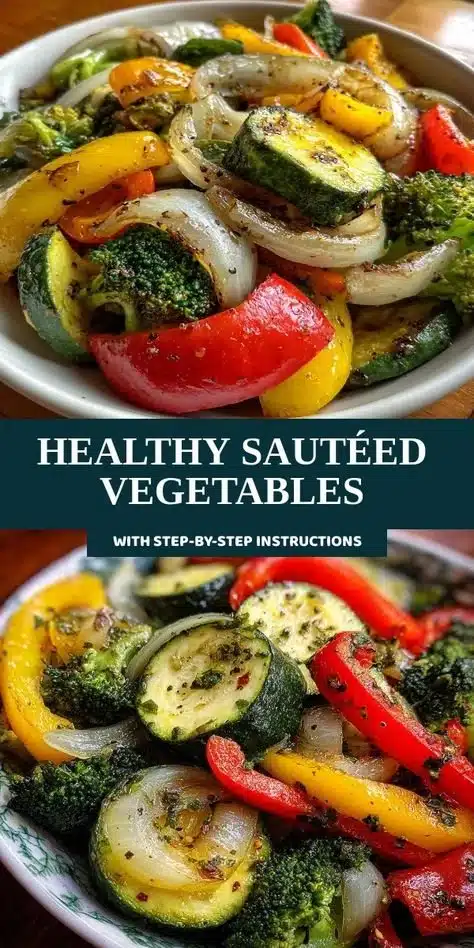
Fresh vegetables: I adore using a rainbow of ingredients, such as bell peppers, zucchini, broccoli, and carrots. Feel free to swap in whatever you have on hand—snap peas and cauliflower can work beautifully too.
Olive oil: A drizzle of extra virgin olive oil gives richness without overpowering the flavors.
Garlic: Fresh minced garlic adds a punch of flavor that can elevate your dish significantly.
Onions: Sweet onions or shallots caramelize beautifully, enhancing the dish’s overall sweetness.
Herbs: Fresh herbs like thyme, basil, or parsley bring brightness. If fresh isn’t available, dried herbs can do the trick.
Salt and pepper: Simple seasonings are crucial. I often finish my sautéed veggies with a dash of sea salt and fresh cracked pepper for a balanced flavor.
If you’re looking for substitutions, don’t hesitate! Swap olive oil for a plant-based butter or ghee for a different flavor base. For a heartier dish, add in canned beans or chickpeas. You can also toss in a splash of soy sauce or balsamic vinegar to enhance depth.
Step-by-Step Recipe Instructions with Tips
Now, let’s dive into the preparation of these Healthy Sautéed Vegetables. Here’s how to create the perfect panful:
Preparation: Start by washing and chopping your vegetables into uniform bite-sized pieces. This ensures even cooking.
Heat the Pan: In a large skillet, heat about 2 tablespoons of olive oil over medium heat. Be patient; let the oil get pleasantly hot without smoking.
Sauté Aromatics: Add one medium diced onion and 3-4 cloves of minced garlic. Stir occasionally until the onions become translucent and the garlic is fragrant, about 2-3 minutes.
Add the Vegetables: Start with the ones that take longer to cook, like carrots and bell peppers. Sauté for about 4-5 minutes before adding softer veggies like zucchini and mushrooms.
Season: As the vegetables begin to soften, sprinkle with salt, freshly cracked pepper, and your choice of herbs. Continue to cook until all veggies are tender but still vibrant in color, around 5-7 more minutes.
Finish Up: Take the skillet off the heat and toss everything gently. Add a final drizzle of olive oil and maybe a squeeze of lemon for a pop of brightness.
Serve: Serve hot beside your favorite protein or atop a bed of grains for a nutritious meal.
Tips: For an added depth of flavor, consider adding a dash of red pepper flakes or a touch of balsamic vinegar toward the end of cooking. And don’t be shy about making it your own—try experimenting with different vegetables or herbs!
Cooking Techniques and Tips
How to Cook Healthy Sautéed Vegetables Perfectly
The key to cooking Healthy Sautéed Vegetables perfectly lies in the simple technique of sautéing. Here are some tips to ensure the best results:
Don’t overcrowd the pan: Give your vegetables space to breathe! Overcrowding will result in steaming rather than sautéing, leading to soggy veggies.
Consistent heat: Sauté on medium to medium-high heat. Too low and the vegetables will take forever to cook; too high can lead to burning.
Stir occasionally: Allow your vegetables to develop beautiful caramelization by stirring occasionally rather than continuously.
Taste as you go: This isn’t just about following a recipe—experiment and taste! Adjust seasoning to match your family’s preferences.
Common Mistakes to Avoid
While making Healthy Sautéed Vegetables is relatively straightforward, certain missteps can lead to less-than-ideal results:
Using old or wilted vegetables: Freshness is crucial. Aim to use vibrant, crisp vegetables for that satisfying crunch.
Cooking without oil: A proper amount of oil not only prevents sticking but enhances flavor. Don’t skimp on this!
Not seasoning: Seasoning throughout the cooking process is essential. Don’t wait until the end; it should enjoy a gentle touch of salt and pepper from the start.
Health Benefits and Serving Suggestions
Nutritional Value of Healthy Sautéed Vegetables
Healthy Sautéed Vegetables are not only delectable but also pack a nutritional punch. They are low in calories, rich in vitamins, minerals, and dietary fiber. Each vegetable brings its unique health benefits:
- Carrots are high in beta-carotene, promoting healthy vision.
- Spinach is rich in iron and vitamins A and K, vital for maintaining healthy body functions.
- Bell peppers are an excellent source of vitamins C and B6, boosting your immune system.
Incorporating a variety of colorful veggies ensures you receive a wide spectrum of nutrients at every meal. They serve as a fantastic side dish or a satisfying vegetarian main, especially when teamed with grains or proteins.
Best Ways to Serve and Pair This Dish
To make Healthy Sautéed Vegetables a culinary celebration, consider these serving suggestions:
- Grains: Serve on a bed of quinoa, brown rice, or farro for an earthy pairing.
- Proteins: They complement grilled chicken, tofu, or fish beautifully, adding brightness to your plate.
- Bowl meals: Toss them together with your favorite sauce, drizzle of olive oil, or tahini dressing for a simple, hearty bowl.
- Pasta: Stir into pasta or serve alongside as a colorful, nutritious side.
The options are truly endless, making Healthy Sautéed Vegetables a versatile dish for any occasion.
FAQ Section
What type of mushrooms are best for Healthy Sautéed Vegetables?
When it comes to mushrooms, baby bella and shiitake mushrooms are both excellent choices for Healthy Sautéed Vegetables. They add a rich, earthy flavor that enhances the overall dish. However, button mushrooms work just fine too if that’s what you have on hand!
Can I use dried garlic instead of fresh?
While fresh garlic provides a depth of flavor that’s hard to beat, you can use dried garlic in a pinch. Keep in mind that dried garlic can be more potent, so use less—about 1 teaspoon of garlic powder for every clove of fresh garlic.
How do I store leftover Healthy Sautéed Vegetables?
To keep your leftover Healthy Sautéed Vegetables fresh, place them in an airtight container in the refrigerator. They should stay good for about 3-4 days. Reheat in a skillet over medium heat or in the microwave until warmed through.
Can I freeze Healthy Sautéed Vegetables?
Yes, you can freeze your Healthy Sautéed Vegetables! Allow them to cool completely before transferring them to freezer-safe bags. When ready to use, thaw in the refrigerator overnight, then reheat in a skillet for best results.
Conclusion
If you’re like me, there’s nothing quite like the warmth that fills your home when you prepare Healthy Sautéed Vegetables. The aroma wafts through the air, inviting loved ones to gather and share stories around the dinner table. Trust me, once you experience the joy of creating this colorful medley of goodness, you’ll want to make it again and again. The simplicity and deliciousness of sautéed vegetables make it a staple you’ll cherish in your family meals. So grab your skillet, turn on the music, and let’s bring a little joy and health to your kitchen today!
Print
Healthy Sautéed Vegetables
- Total Time: 25 minutes
- Yield: 4 servings 1x
- Diet: Vegetarian
Description
A vibrant medley of sautéed vegetables bursting with flavor, perfect as a side or main dish.
Ingredients
- 2 tablespoons olive oil
- 1 medium onion, diced
- 3–4 cloves garlic, minced
- 2 carrots, sliced
- 1 bell pepper, chopped
- 1 zucchini, sliced
- 1 cup broccoli florets
- Salt, to taste
- Pepper, to taste
- Fresh herbs (thyme, basil, parsley), to taste
Instructions
- Wash and chop your vegetables into uniform bite-sized pieces.
- Heat the olive oil in a large skillet over medium heat.
- Add the diced onion and minced garlic, stirring until translucent.
- Add the carrots and bell peppers, sautéing for about 4-5 minutes.
- Add the zucchini and broccoli, continuing to cook until all veggies are tender.
- Season with salt, pepper, and herbs during the cooking process.
- Toss everything gently and finish with a drizzle of olive oil.
- Serve hot beside your favorite protein or atop grains.
Notes
Feel free to use a variety of vegetables based on your preference and what’s in season.
- Prep Time: 10 minutes
- Cook Time: 15 minutes
- Category: Side Dish
- Method: Sautéing
- Cuisine: Mediterranean
Nutrition
- Serving Size: 1 serving
- Calories: 200
- Sugar: 5g
- Sodium: 150mg
- Fat: 9g
- Saturated Fat: 1g
- Unsaturated Fat: 8g
- Trans Fat: 0g
- Carbohydrates: 25g
- Fiber: 5g
- Protein: 4g
- Cholesterol: 0mg
Keywords: healthy, sautéed vegetables, vegetarian dish, quick meal